
Gold has been considered a valuable store of wealth for thousands of years, but not all gold items are equally easy to assess. Whether dealing with jewelry, bullion, collectible coins, or luxury items containing precious metals, experienced gold buyers know that pricing can vary significantly depending on the form, purity, market demand, and documentation attached to the item. While many people assume that gold is gold regardless of its shape or history, the reality is much more complex.
Understanding why some gold is easier to appraise than others helps sellers make informed choices, reduce misunderstandings during appraisal, and recognize factors that affect its value. This information enables people to deal with transactions more confidently, knowing what the professionals base their evaluations on.
The Role of Standardization in Gold Valuation
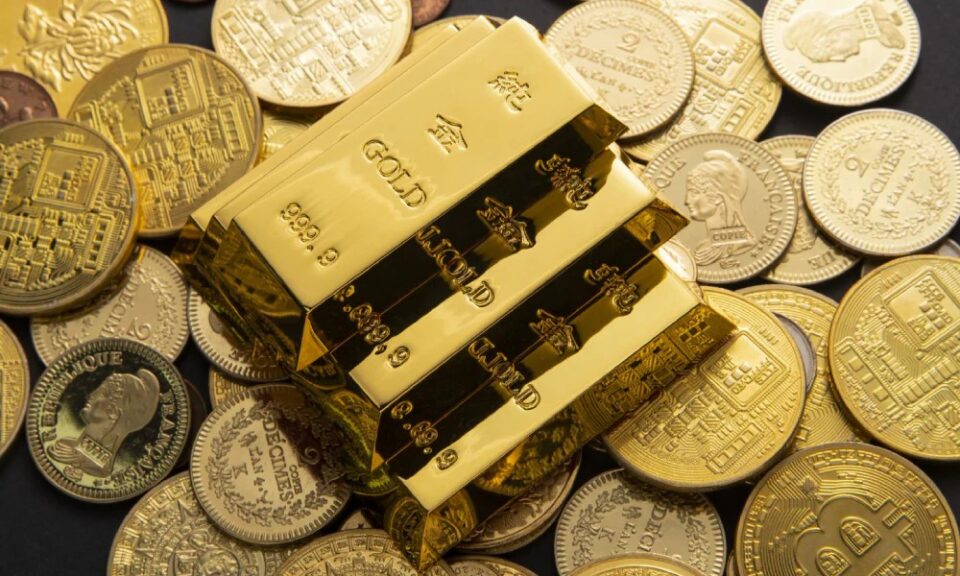
Standardization is one of the main factors that determines why some items made from gold are easier to appraise. Where there are definite qualities for such items made out of gold, the process of appraising their values becomes relatively easy. Gold bullion bars and investment-grade coins can be used as perfect examples. In most cases, such items are known for their weight, purity, and manufacturer. This is because these features are standardized and can be easily verified through trusted mints or refiners. Buyers, therefore, have an easy time calculating the values of these items at the current prices of gold.
For example, the value of a one-ounce bullion coin with a known purity level can be easily calculated based on current gold market prices. The determination is possible because the exact composition of such an item is known without any doubt. However, the challenge arises when two gold necklaces look identical but have different alloy compositions, craftsmanship, or repair histories. There are various tests to establish such characteristics before coming up with the actual appraisal.
Documentation has its place in the process too. Having certificates of authenticity, original sale papers, and purity test reports may lower uncertainty and help keep pricing easier. As information about specifications increases, it becomes easier to establish an item’s price. In case one is selling gold items, keeping the original documents if they are still available will likely make transactions go much easier. Buyers tend to feel more comfortable knowing that there is something to back up their estimate rather than having to rely only on testing.
How Rarity, Condition, and Demand Influence Pricing Complexity
Not all gold is valuable in terms of its metal alone. At times, such factors as rarity, condition, and demand for the items make it necessary to add additional aspects in pricing considerations. Gold coins serve as a good example here. In the case of bullion coins, their value might stay closer to their gold price. Collectible coins, however, may be priced far above their actual melt value. This is why experienced gold coin buyers look beyond gold content when assessing a coin’s worth.
The age of a coin, its mint history, its production run, and its condition could be factors that make the difference between high and low market values. For example, two coins that have the same amount of gold content might vary widely in price based on whether one coin is considered rare and coveted by collectors. Condition is yet another very significant factor in valuations, because even small differences in condition can greatly affect how attractive the coin is to collectors. This is why there are professional grading systems, because condition is a key element in valuations. Demand is yet another contributing factor to prices, which can fluctuate depending on current collector trends.
Jewelry presents similar challenges. Beyond gold content, buyers may assess design significance, brand recognition, gemstone quality, and craftsmanship. Vintage or designer jewelry may carry value unrelated to its precious metal weight. When rarity and collectibility become factors, valuation moves beyond simple calculations and enters a more specialized process. Sellers benefit from seeking knowledgeable evaluations when dealing with items that may possess historical, artistic, or collectible significance.
Why Brand Recognition Creates Additional Layers of Value
Another reason some gold items are easier or harder to price involves branding. Luxury brands often create value that extends well beyond raw material content. High-end watches provide a useful example. A luxury timepiece may contain gold components, but its market value is rarely determined by metal weight alone. Brand reputation, model popularity, production history, and condition can all contribute to pricing.
Individuals looking to sell Rolex NYC often discover that the evaluation process focuses heavily on factors unrelated to gold content. Authenticity, service history, original packaging, model rarity, and market demand frequently influence offers more than the intrinsic value of the precious metals used in manufacturing.
This phenomenon highlights an important distinction between commodity value and market value. Commodity value reflects the worth of the underlying materials, while market value incorporates consumer demand and brand prestige. Recognized luxury brands tend to maintain extensive records and established resale markets. These factors can sometimes simplify pricing because historical sales data and market trends are readily available. However, they can also introduce complexity because multiple variables must be considered simultaneously.
Counterfeit concerns further complicate branded luxury items. Verification procedures may be required to confirm authenticity before valuation can occur. Documentation such as receipts, warranty cards, and service records can help streamline this process. For sellers, understanding whether an item derives value primarily from its gold content or from its brand identity is crucial. The appropriate evaluation method depends on the characteristics that drive demand within the marketplace.
Conclusion
The reason some gold feels easier to price than others comes down to certainty. Standardized products such as bullion bars and widely recognized investment coins are typically straightforward to evaluate because their weight, purity, and specifications are clearly established. In contrast, jewelry, collectible coins, and luxury goods often involve additional factors such as rarity, condition, craftsmanship, authenticity, and market demand.
Documentation, transparency, and verification all contribute to a smoother valuation process. The more information available about an item’s history and characteristics, the easier it becomes to determine fair market value. Sellers who understand these principles are better equipped to navigate appraisals, ask informed questions, and recognize the factors that influence pricing outcomes.
Ultimately, gold valuation is not solely about metal content. Context matters. Whether an item is being assessed for its bullion value, collectible appeal, or luxury brand status, understanding the elements that shape pricing can help sellers make more confident and informed decisions.
